
 |
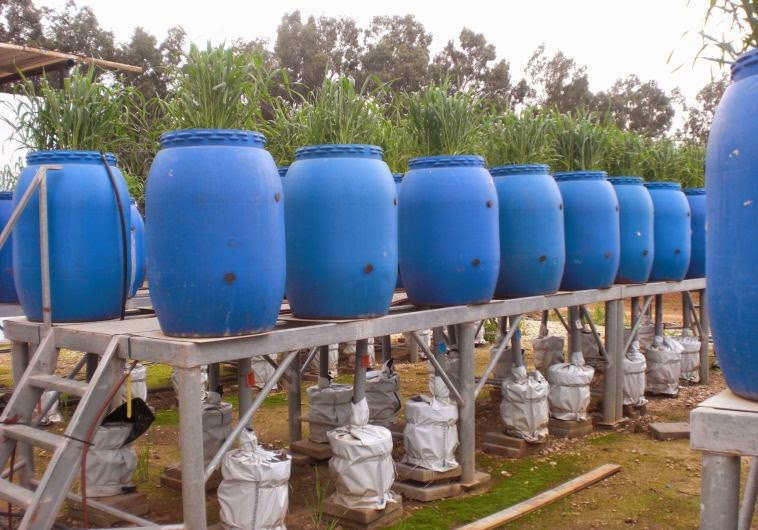
| Photo: KKL-JNF |
By Leiba Chaya David
Israel, located in one of the driest regions in the world, is in a perpetual state of water crisis. Historically, water has often been a cause of great dispute -- as in the biblical case of Isaac and the Philistine shepherds arguing over well ownership. In the thousands of years since that particular conflict, water scarcity in the region has been exacerbated by rapidly growing populations, ambitious development plans, and prolonged periods of drought. The current annual deficit in Israel's renewable water resources is almost 131 billion gallons.
Though the picture seems grim, Israelis have an international reputation for pioneering innovative solutions to the water challenge. On a quiet hillside in the northeastern Galilee, for example, a group of hydrologists and farmers are reaching back into the past to guarantee a viable source of water for future generations. The Shamir project, a partnership between the Israeli government, the Upper Galilee and Golan Heights Water Associations, and Jewish National Fund’s Parsons Water Fund (through the generous donation of Dr. Evelyn G. Lipper and the EGL Charitable Foundation), is drawing unprecedented amounts of water from a 5,000-year-old (according to carbon dating) artesian aquifer.

